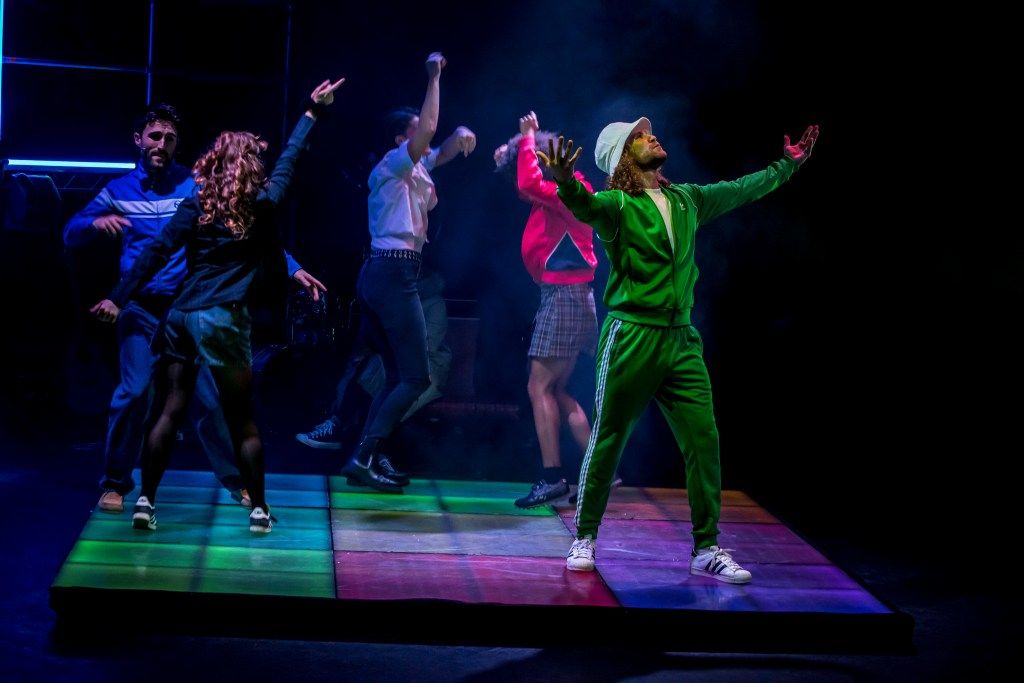
HOW SOON IS NOW?

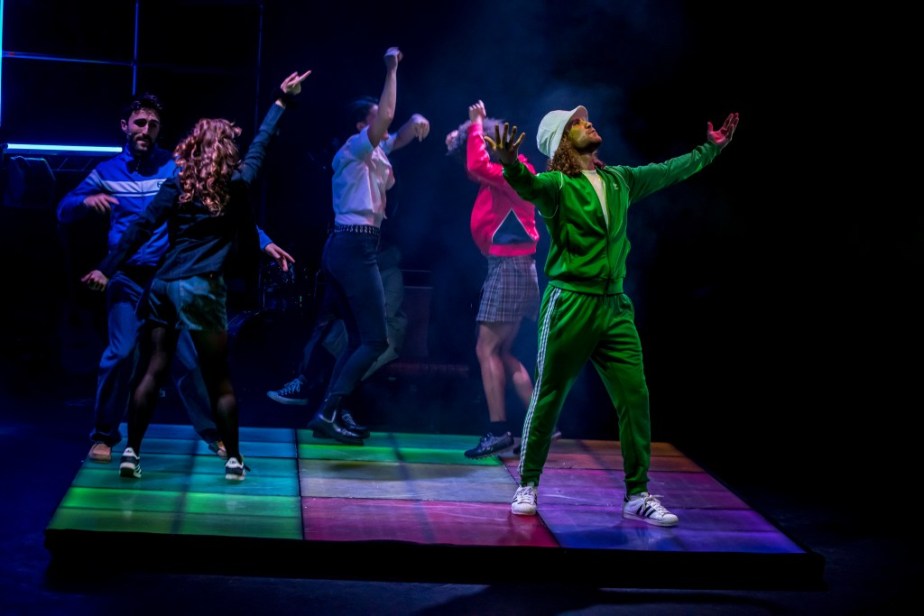
The cast of How Soon Is Now? at The Lowry Theatre.

Written by Siân Owen

Directed by Adam Quayle

The Lowry Theatre

★★★☆☆


How Soon Is Now? is an ambitious new production by Box Of Tricks. Writer Siân Owen celebrates the indie club scene of Nineties Manchester while also attempting a deep delve into female  friendships on the dance floor and in the club toilets. There are big themes and much heartfelt dialogue about family trauma, coercive relationships and the daily stressors of working in the NHS. There is some real merit in some of the dialogue but the play ultimately never quite hits the mark it’s striving for.

The play is a celebration of the healing power connection, identity, belonging and an indictment of the increasingly complicated business of simply being human. Set in a nightclub on New Year’s Eve 1997, it has mates Angie and Polly out celebrating when they meet Welsh small town ingénue Jean who is lost and traumatised. Time moves back and forth to give fragments of all their stories while being interspersed with indie classics. When it catches fire, How Soon Is Now? has genuine emotional pull. There are moments of warmth, humour and vulnerability that suggest a production with something important to share. However this two act production struggles to hold attention as the dramatic arc feels fragmented sitting in this jukebox musical of undeniably great songs.

Ambition can sometimes be a double-edged theatrical sword and this production reaches so determinedly for significance that its message becomes somewhat diffused. Ideas are introduced with enthusiasm but not always given the space or dramatic precision to fully land. The result is a show that occasionally feels like a New Year celebration where not all the fireworks display light up as intended. The first Act goes out like a damp squib and suggests this production could have sparkled and had more impact with no interval and a shorter running time. The production’s heart is unquestionably in the right place; what it lacks is the consistency and finesse to make that heart beat as powerfully for the audience as it clearly does for those on stage.

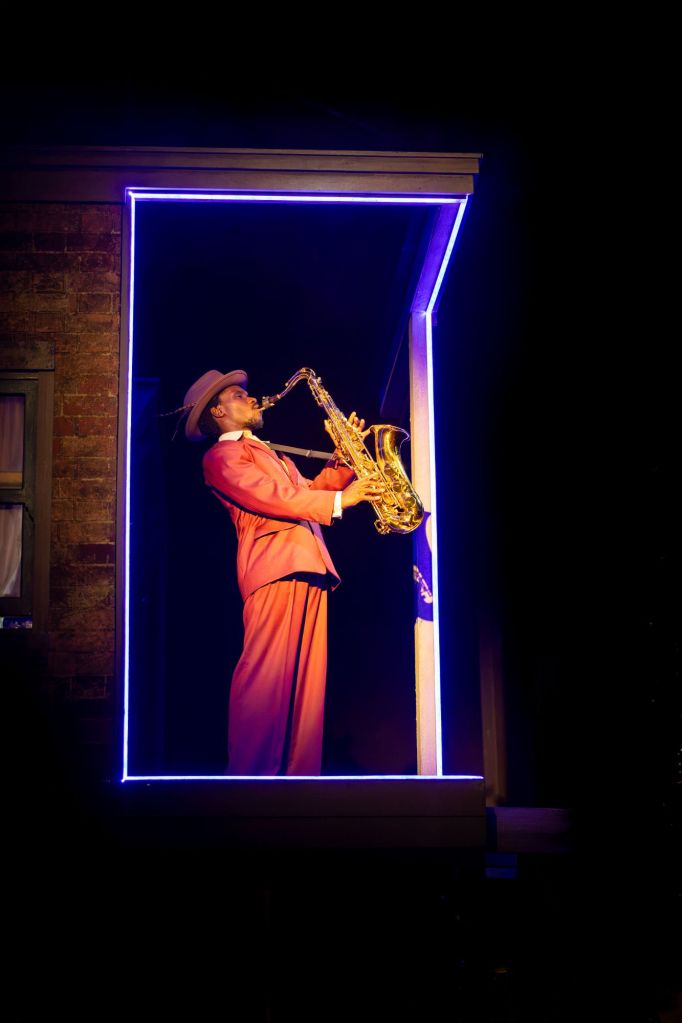
There are some nicely judged performances and Darragh Cowley brings real charm and energy as a Manc DJ who spins the tunes and continually breaks the fourth wall to engage with the audience. Laura Robinson makes her professional theatrical debut as shop girl Polly and does a nice job of fleshing out her role and singing her heart out while maintaining a suitably flat Manchester accent.  All the cast work hard, with three of them, doubling up as a live band in stage as well.
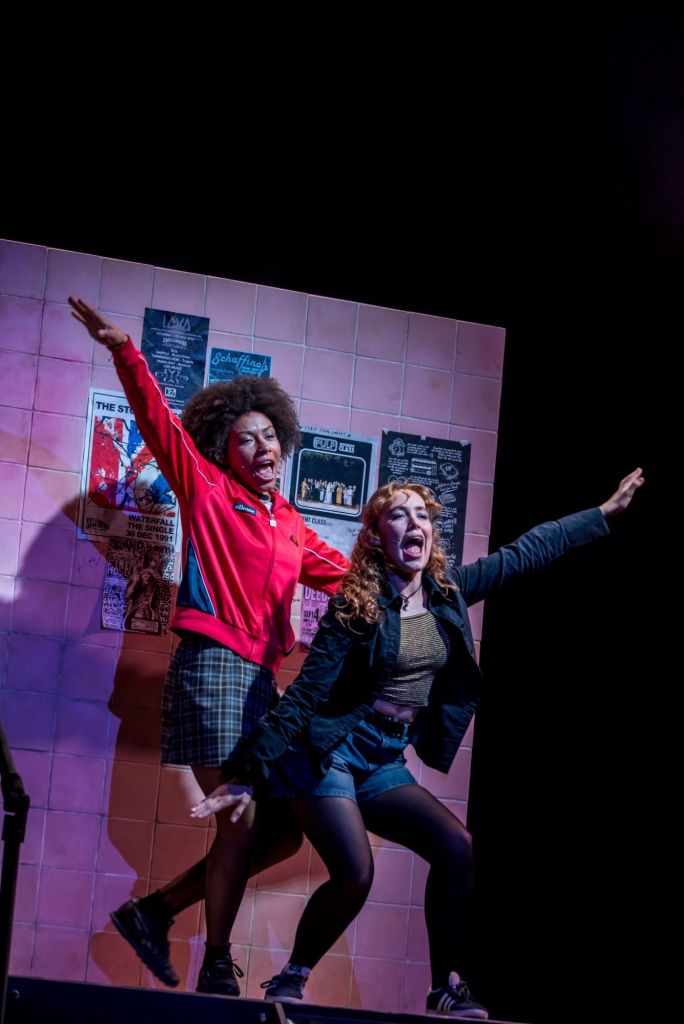
Kaitlyn Akinpelumi as Angie and Laura Robinson as Polly in How Soon Is Now?

It is always great to see new writing being championed and smaller theatre companies going out on tour, and it’s brilliant to see that work being shown on larger stages like The Quays at The Lowry. There is much nostalgic pleasure here for anyone who was out in those heady nightclubs back in the Nineties and this production has some nice ideas and big ambitions which will hopefully develop and flourish as the tour continues.
On Tour until November 7th 2026

OTHELLO

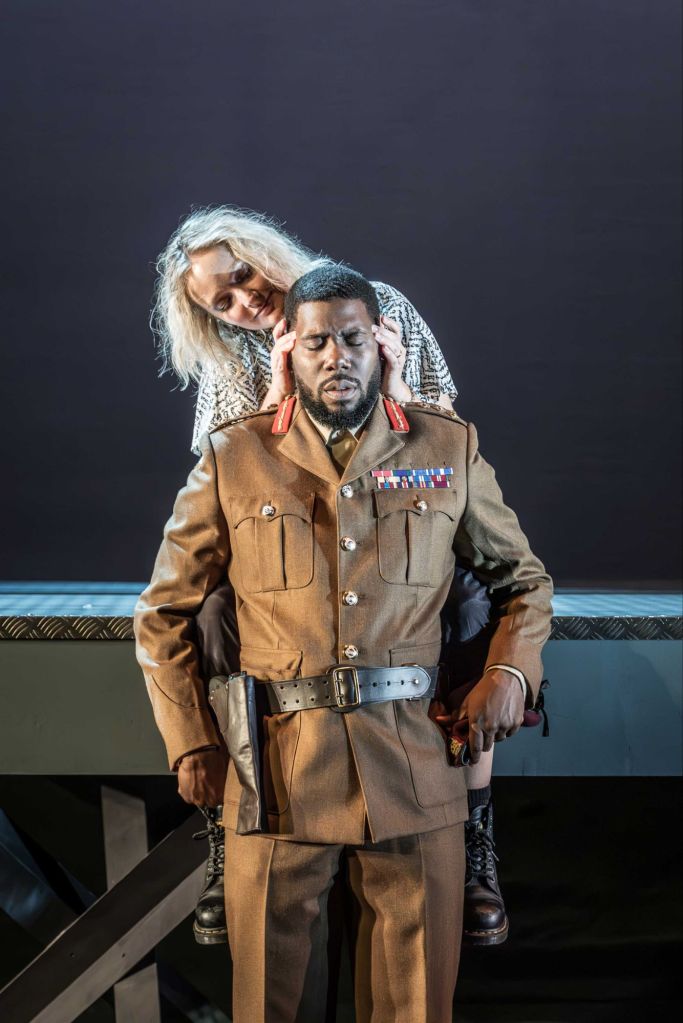
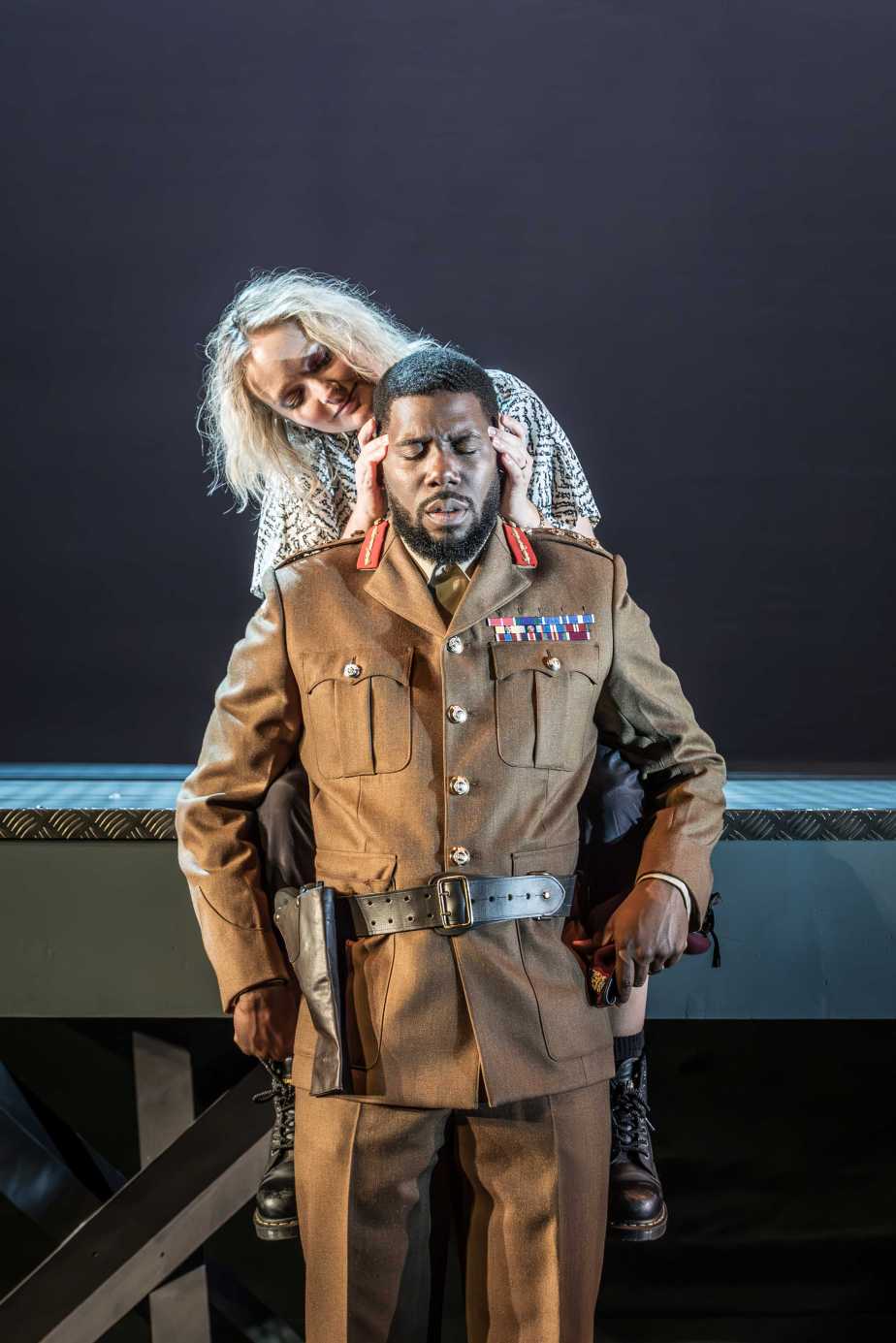
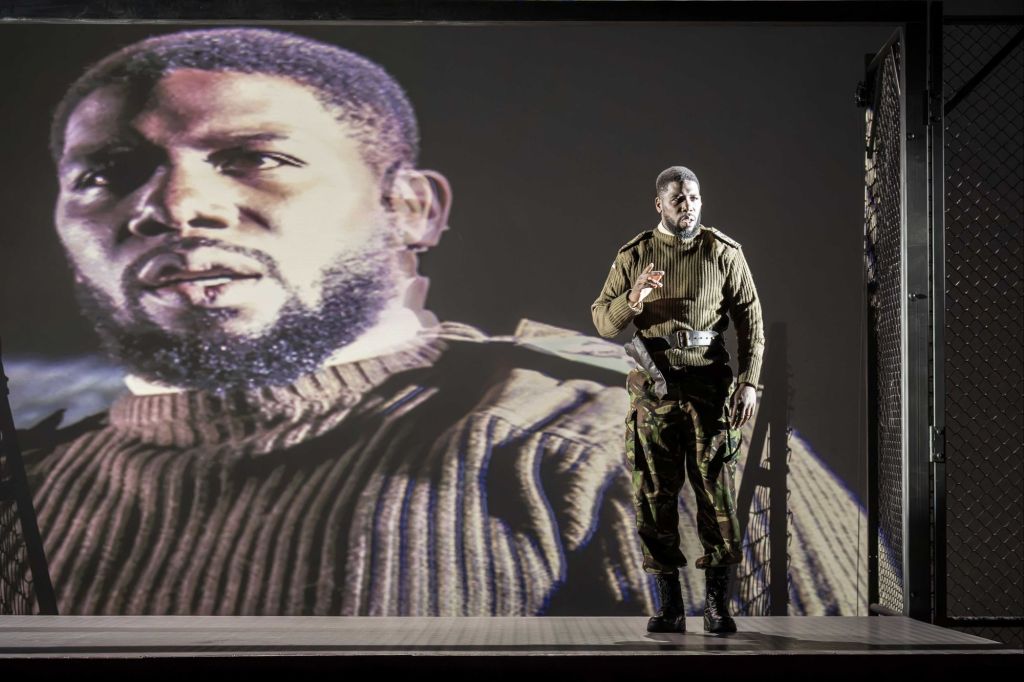
Duane Walcott as Othello in Othello at HOME
Image credit: Marc Brenner

Written by William Shakespeare

Directed by Anthony Almeida

HOME

★★★☆☆


Shakespeare’s Othello is a tragedy fuelled by jealousy, manipulation and the corrosive power of mistrust. Northern Stage’s new production at HOME takes on this familiar tale of love and betrayal with commendable ambition and style. Director Anthony Almeida offers up some moments of real dramatic intensity, even if the overall impact is somewhat uneven and confused.

At the heart of the play is Othello, a celebrated general whose confidence and authority are gradually dismantled by the poisonous machinations of Iago. Dwane Walcott is a strong and charismatic Othello who seems to have it all yet when the mask slips, this is a man who can’t perhaps fully believe his luck and is therefore susceptible to the drip,drip,drip of poison from Iago.

It is a story that remains disturbingly relevant, exposing the fragility of trust and the ease with which prejudice and insecurity can be exploited. Director Anthony Almeida embraces these themes while bringing a contemporary sensibility to Shakespeare’s exploration of power, race and toxic masculinity. This feels like a deep dive into the world of gaslighting and a world where the ever present immediacy of news coverage means we are continuously bombarded with how to choose between facts and false news.

Almeida sets his version on a military base in Cyprus against the backdrop of The Falklands War but this idea feels underdeveloped. Apart from some old news footage on a TV screen this device feels somewhat superfluous as the text remains firmly linked to Venice. Costumes sometimes feel more Nineties and Depeche Mode’s Everybody Wants to Rule The World is sung by Desdemona yet it was only released 3 years after the Conflict ended. Despite these confusing elements, the military base set by Natasha Jenkins is excellent. Stark and  oppressive with mesh and barbed wire and with a raised platform that lowers like the loading deck of a warship, this is a steely triumph. It acts as a catalyst for the impending tragedy as the walls literally start to close in on the doomed lovers.

The production has an appealing immediacy, with a stripped-back approach that places the emphasis firmly on the actors and the shifting dynamics between them. There is at times a admirable muscularity to the storytelling, and the tension does build as Iago’s calculated deceptions begin to take hold. Yet, despite the dramatic potential, the production occasionally struggles to sustain the psychological complexity that makes this tragedy so compelling. The pacing can seem out of sync with the action and dialogue, and lines vital lines of dialogue are occasionally muffled or don’t land with the necessary beat. This is a clearly talented and committed group of actors but possibly not all particularly comfortable and familiar with Shakespearean dialogue.

Iago, Shakespeare’s master manipulator, is the engine of the drama with his ability to turn seemingly innocent observations into instruments of destruction. There are flashes of deliciously dark humour in his duplicity, although the character could benefit from a more chilling subtlety. Maanuv Thiara plays Iago with the shallow bonhomie of a disgruntled squaddie resulting in the emotional trajectory not always achieving the devastating force required.

Phoebe Smyth as Desdemona and Dwane Walcott as Othello in Othello at HOME
Image credit: Marc Brenner

Desdemona is a much more intriguing figure than often portrayed as the young bride caught between devotion and the increasingly dangerous consequences of her husband’s growing mistrust. Newcomer Phoebe Smyth makes her professional stage debut and its a highly memorable one for all the right reasons. She ensures that Desdemona’s vulnerability is palpable while allowing her to be much more than a mere victim of the men around her. This pale young woman is not remotely pallid as she beguiles Othello with her feisty and joyful nature and positive approach to life. It’s therefore all the more terrifying and heartbreaking that her shining presence is still not enough to pierce Othello’s growing paranoia and to alter the ensuing tragic outcome. Another excellent professional theatrical debut comes from fellow RAMDA graduate, Will Stanton. His Cassio is a beautifully measured and assured performance that feels authentic and engaging.

Ultimately, this Othello offers a spirited but not entirely satisfying interpretation of one of Shakespeare’s most psychologically intricate tragedies. Its themes of manipulation, misogyny and racial prejudice retain their unsettling potency, but the production never quite unlocks the full emotional devastation of the text. There is much to engage the audience, even if the final tragedy feels more solidly delivered than genuinely shattering.
This is, at times a very compelling Othello but when it loses pace, the characters feel as adrift as a ship full of conscientious objectors heading towards The Falklands for a war no one fully understands.

HOME 30th – 10th October 2026

Touring til 20th November 2026

FENCES

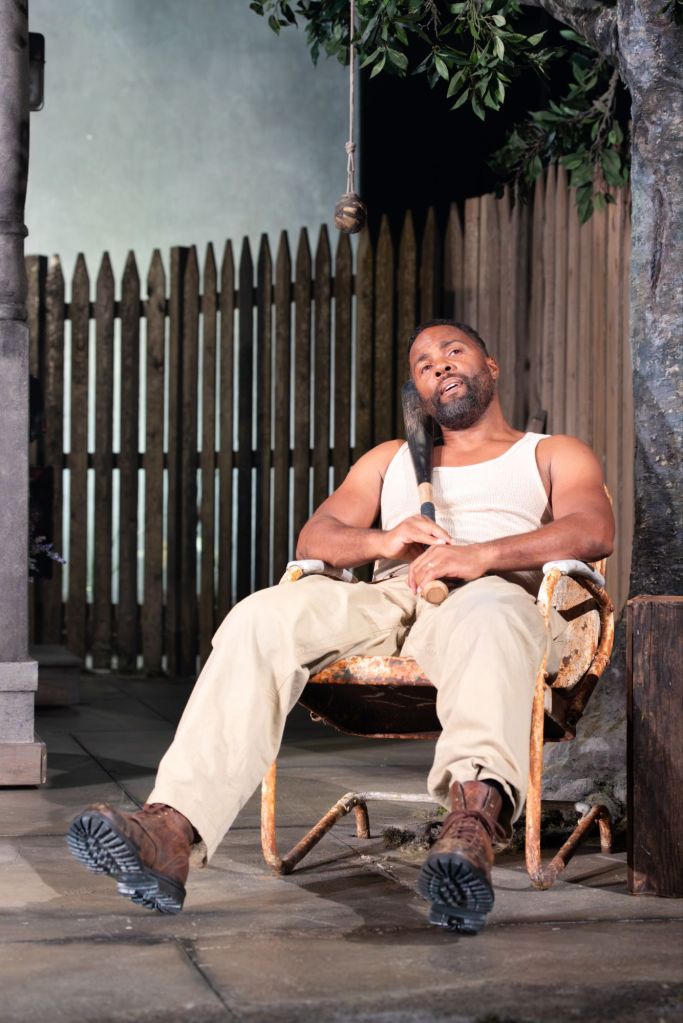
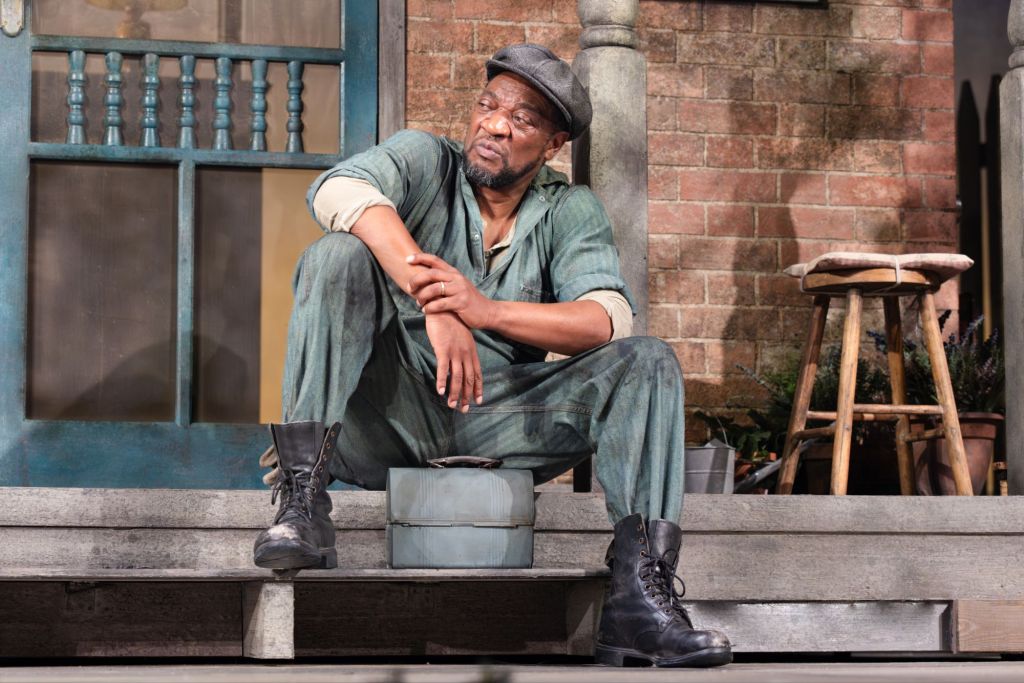
Ray Fearon as Troy in Fences. Leeds Playhouse Image credit: Tyler Fayose

Written by August Wilson

Directed by Daniel Bailey

LEEDS PLAYHOUSE

★★★★☆

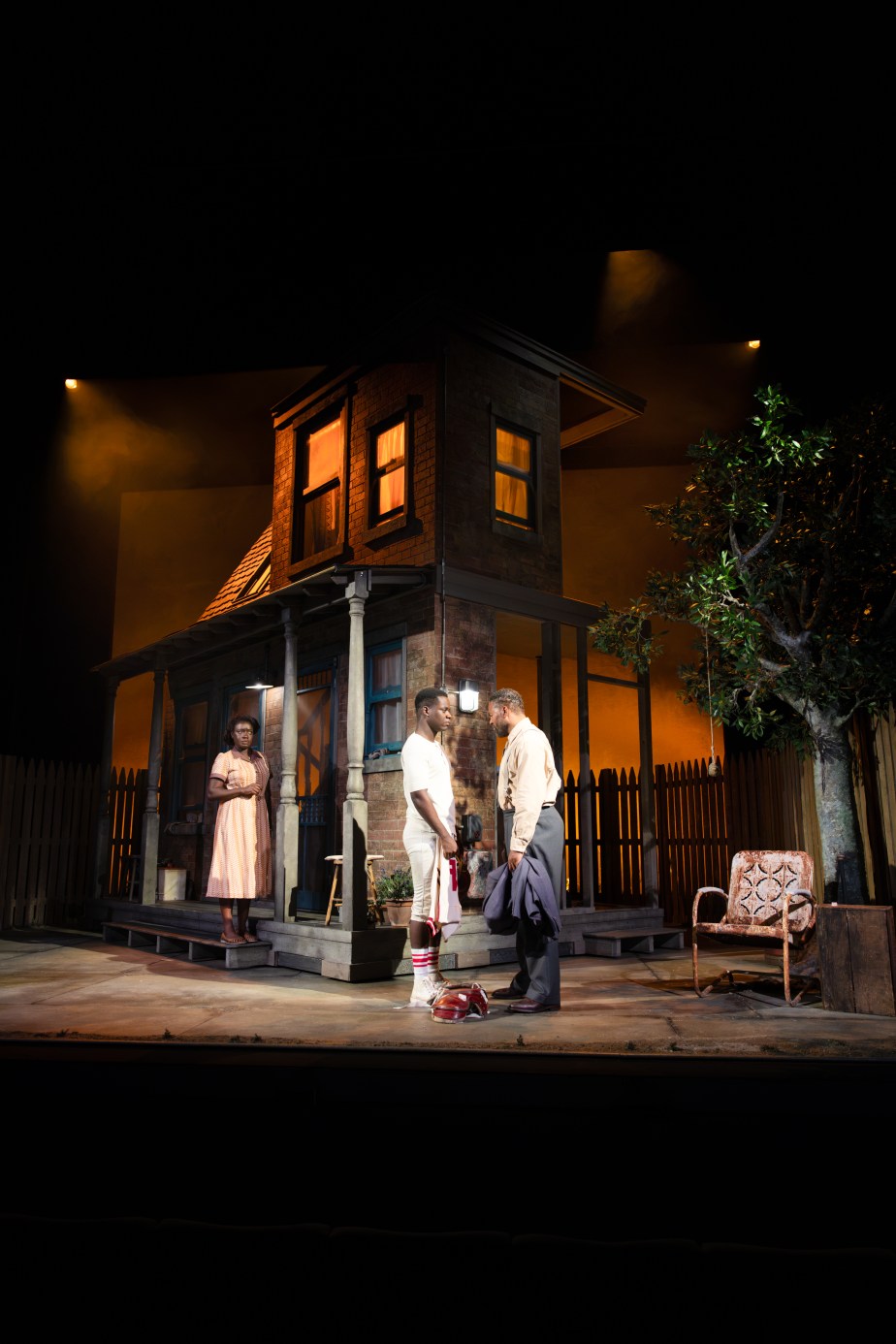
“Some people build fences to keep people out and other people build fences to keep people in.” In August Wilson’s Fences, those barriers become both metaphor and battleground, and this wonderfully captivating production by Headlong at Leeds Playhouse understands that the most formidable walls are often the ones we carry inside us. Director Daniel Bailey leans into the glorious musicality of Wilson’s muscular and poetic writing, and ensures this very naturalistic production soars all the way from 1950s Pittsburgh to St Peter’s Gate.

In the seventh of Wilson’s “Pittsburgh Cycle”, the Maxson family home is presided over by Troy, a former baseball player whose thwarted sporting ambitions and experiences of racism have hardened into a worldview as uncompromising as the man himself. He is a provider, a husband and a father, but also a man who has mistaken control for love and self-protection for wisdom.

Ray Fearon delivers a beautifully measured performance that allows for all the complexities and contradictions of a man who can be both deeply lovable and monstrous. His Troy is a magnificent creation, swaggering into the backyard as though it were his personal kingdom, dispensing hard-earned wisdom alongside home truths that are considerably less wise. He can be funny, infuriating, tender and terrifying within the same conversation. Crucially, in this production his failures are allowed to sit alongside his wounds, leaving us to wrestle with the uncomfortable truth that damaged people can cause damage without being entirely defined by it.

The performances around him are equally finely calibrated. This is an ensemble that listens. Conversations overlap, tempers flare, jokes land and old grievances surface with the messy spontaneity of family life. Nothing feels artificially performative, instead the actors create the delicious illusion that we have wandered into a household where decades of history continue just beyond the edges of the stage. At the heart of these are wonderfully judged performances by Madeline Appiah as wife, Rose, Everal A Walsh as best friend Bono and Simon-Anthony Rhoden as his brain-damaged brother Gabriel.

The unfinished fence running through the backyard becomes an increasingly potent visual metaphor for Troy’s determination to keep danger out, while simultaneously keeping those closest to him from moving freely beyond his reach. Set Designer, Lily Arnold has created a vivid design where there is no white picket fence in this American Dream but in its stripped back simplicity there is a real beating heart in this home. Turning with the times and events, this house both lures you in to bear witness and can enthrall as it throbs with passion.


Wilson’s dialogue is rich with humour, rhythm and vernacular poetry, and the production wisely resists the temptation to gild it. There is plenty of laughter here, but it is laughter with splinters. Beneath the banter lurk questions of race, masculinity, fatherhood, ambition and the inheritance of disappointment from one generation to the next. At almost three hours, the drama occasionally dips and its episodic structure means the momentum ebbs in places. Yet the emotional accumulation is formidable and arresting. The final scenes make for a perhaps satisfying wrapping up of this family drama yet risk veering into unnecessary exposition.

Overall this is a beautiful production that trusts actors, text and audience in equal measure. Captivating, compassionate and impressively naturalistic, Headlong’s Fences lets its characters breathe rather than turning them into symbols. The result is a bruising, beautifully observed portrait of a family trying, imperfectly, to love one another across the barriers life has built

Michael Ahomka-Lindsay as Lyons in Fences at Leeds Playhouse. Image credit: Tyler Fayose
Everal A Walsh as Bono in Fences at Leeds Playhouse. Image credit: Tyler Fayose

Leeds Playhouse 11-26th September 2026

EAST IS EAST

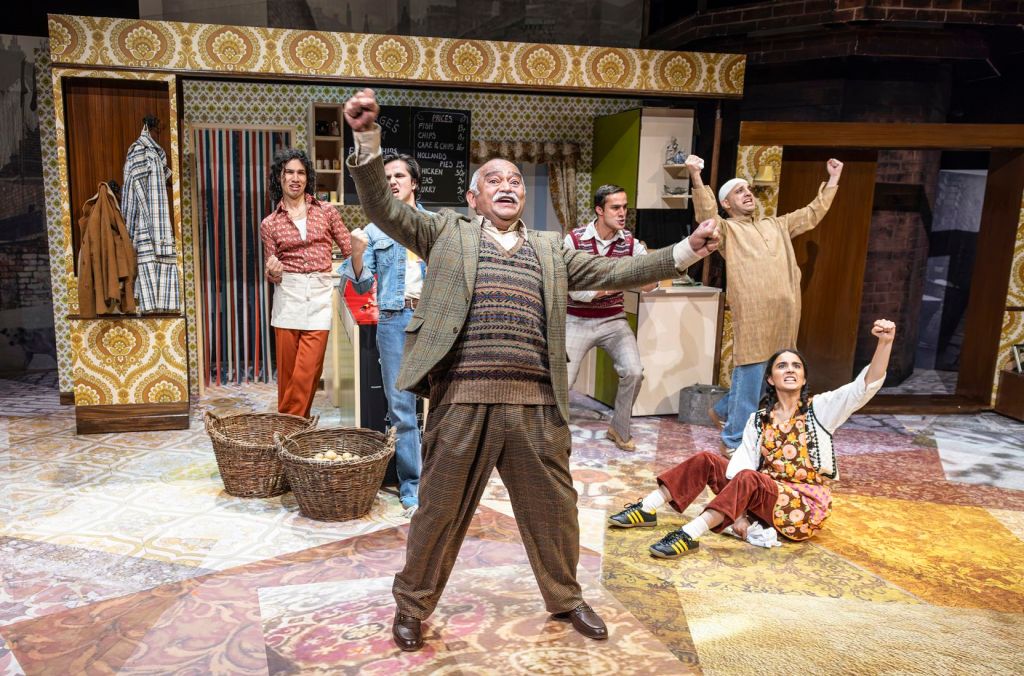
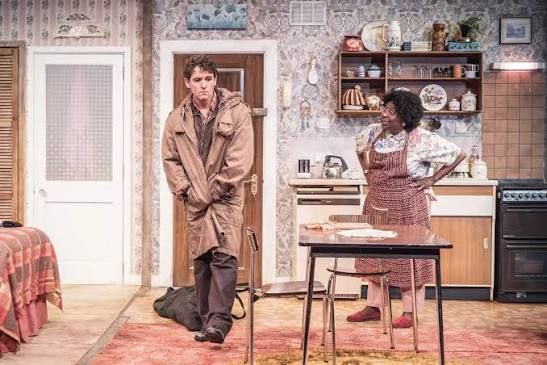
The cast of East Is East at Octagon Theatre Bolton. Photo credit: Pamela Raith

Written by Ayub Khan Din

Directed by Kash Arshad

Octagon Theatre Bolton

★★★☆☆

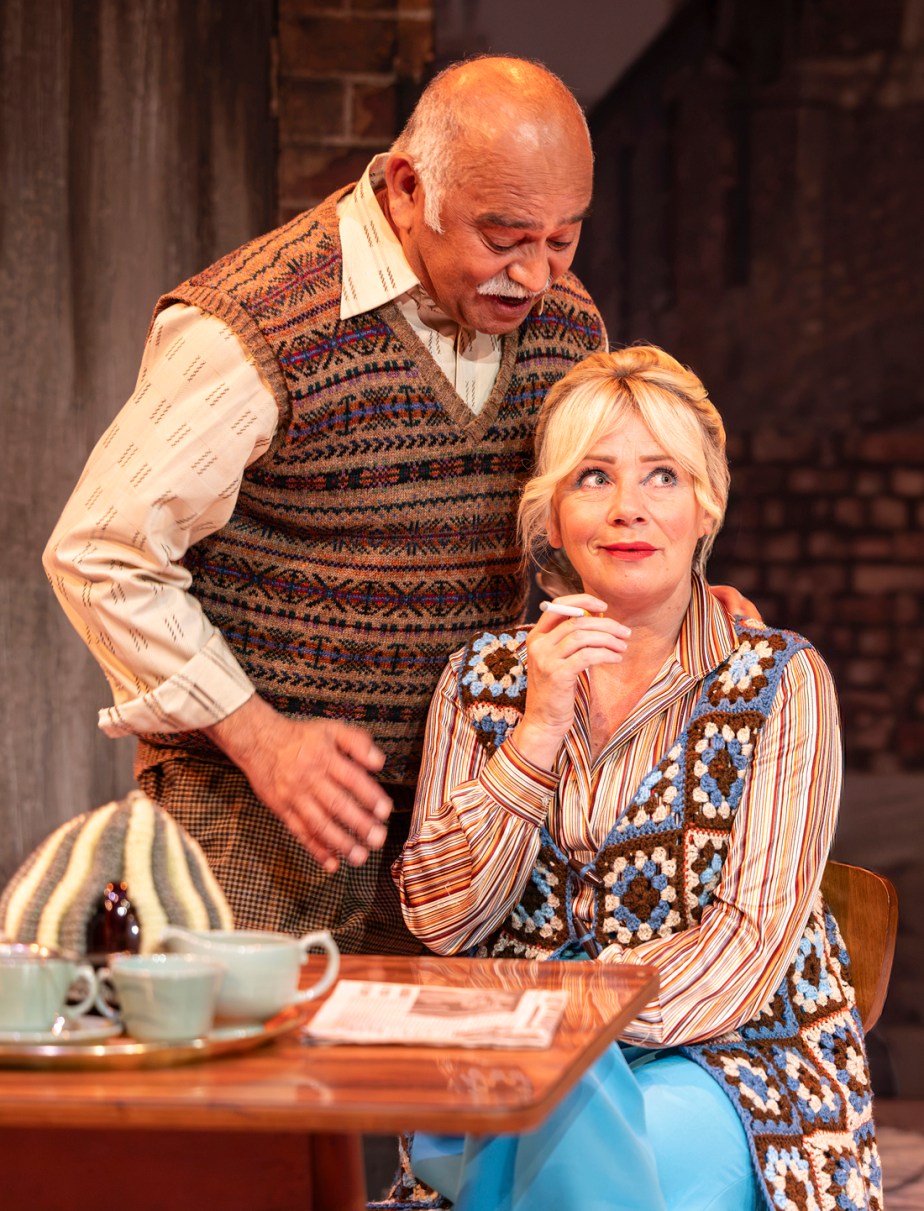
East is East, the Ayub Khan Din 1996 comedy about a Pakistani/British  family has become a modern classic. This new anniversary production, directed by Kash Arshad, returns us to Salford in 1971 and to the chaotic Khan household, where George Khan attempts to impose his Pakistani traditions upon a brood of children who are far more interested in denim, dating and being defiantly and definitively Northern.  George is worried about the war back home and desperate to find suitable Pakistani brides for his sons  while at home and at the family run chippy, cultures collide, tempers erupt and teenagers behave with nonchalant disregard for parental authority.

There is no denying the muscular comic power of Khan Din’s writing. The script bounces along, crackling with insults, sibling warfare and observational comedy so sharply drawn that laughter ensues even when there is a corresponding discomfort about the subject matter. The Khan children bicker, tease and torment one another trading words like bullets as the production captures the boisterous, claustrophobic energy of a family permanently one argument away from combustion.

Bhasker Patel delivers a George full of worries, bluster and buffoonery but with an increasingly troubling undercurrent of frustrated violence. Samantha Power brings warmth and grit to Ella, the English mother forever attempting to keep the domestic plates spinning while the household beneath them threatens to collapse. Her powerhouse performance of a Northern, working woman straddling two cultures is where the emotional heart of this production beats strongest.

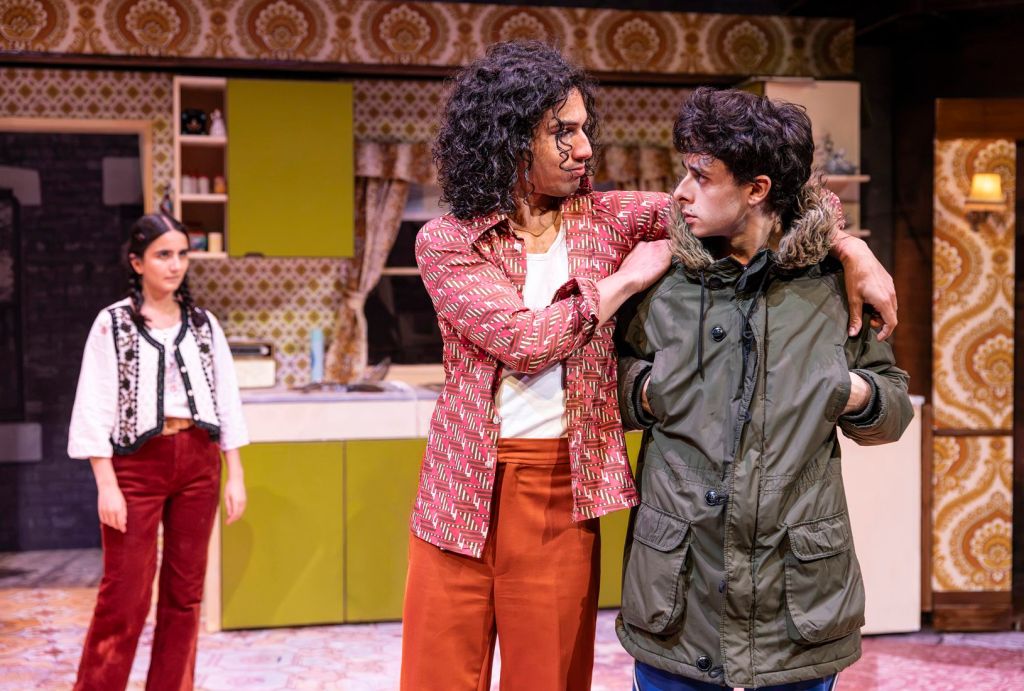
Maya Dhokia as Meena, Zaki Ali as Tariq and Rohan Macleod as Sajit in East is East, Octagon Theatre Bolton. Photo credit: Pamela Raith.

Zaki Ali makes a particularly charismatic Tariq, armed with a sharp tongue and just the right level of teenage swagger for The Seventies. Joeravar Sangha as Maneer provides an interesting counterpoint, embodying a different relationship to heritage and faith, while the younger members of the ensemble bring plenty of rambunctious energy, especially Maya Dhokia as a feisty, fiery Meena. The star of the night is however is  Rohan Macleod who is utterly captivating as the parka clad, twitching boy who struggles to exist in the family chaos. His blend of comic timing and deft performance is a real joy to watch.

The main difficulty with East is East is that what once felt startlingly daring now occasionally shows its age. The misogyny, hypocrisy, casual homophobia and, most significantly, George’s domestic violence sit awkwardly beside the riotous comedy. The play asks us to laugh with this family, but there are moments when the production does not quite interrogate hard enough the ugliness lurking beneath the jokes. That tonal imbalance is this production’s only stumbling block. The comedy is confidently amplified, but the darker material sometimes arrives without sufficient dramatic weight, as though the play’s emotional pitch itself oscillates just like its characters do culturally.

And yet, East is East endures because family life is often messy and racial integration is too complex never  to fit neatly into a neat solution. The Octagon’s production is lively, well cast and frequently hilarious, even if it does not always excavate the darker complexities of this increasingly complicated modern classic.

★★★☆☆

Bolton Octagon Theatre until October 3rd 2026, then on tour.

FUN HOME

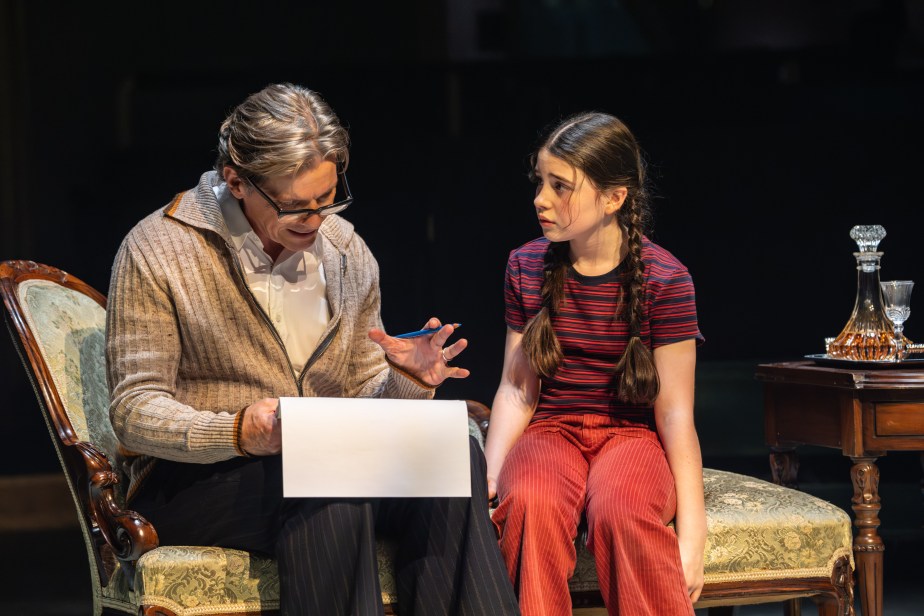
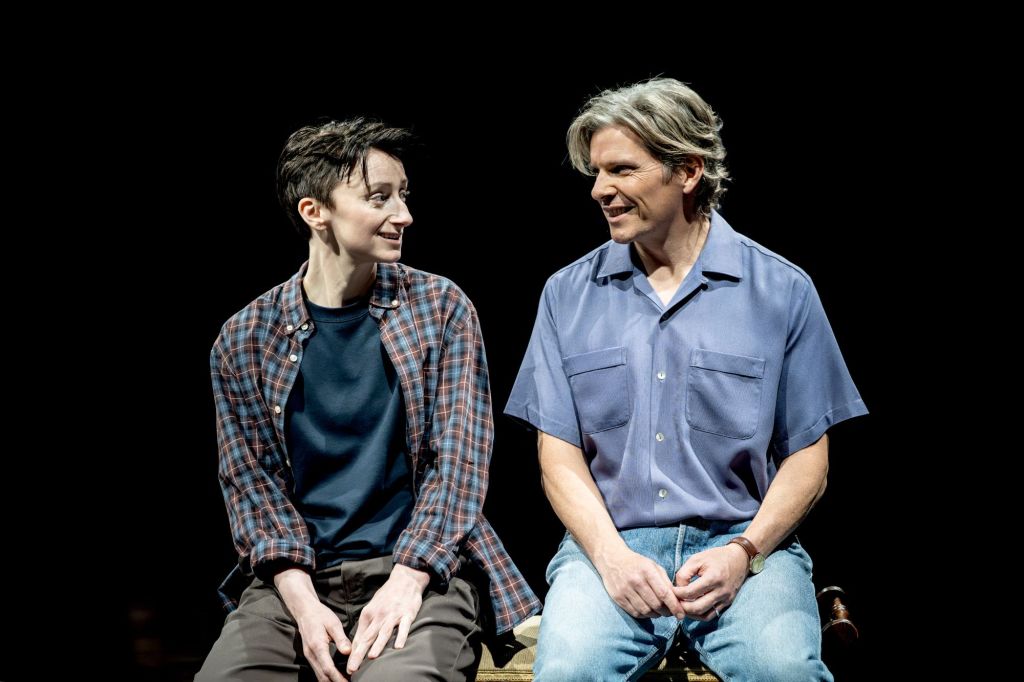
Jodie McNee and Nigel Harman in Fun Home at The Royal Exchange Theatre.
Image credit: Johan Persson

Some musicals leave you humming a catchy tune on the journey home. Fun Home leaves you quietly sifting through your own memories, wondering how families can be built from equal measures of love, silence and misunderstanding. Director Sarah Frankcom returns to The Royal Exchange with this deeply affecting production to embrace that complexity with grace, intelligence and emotional precision.

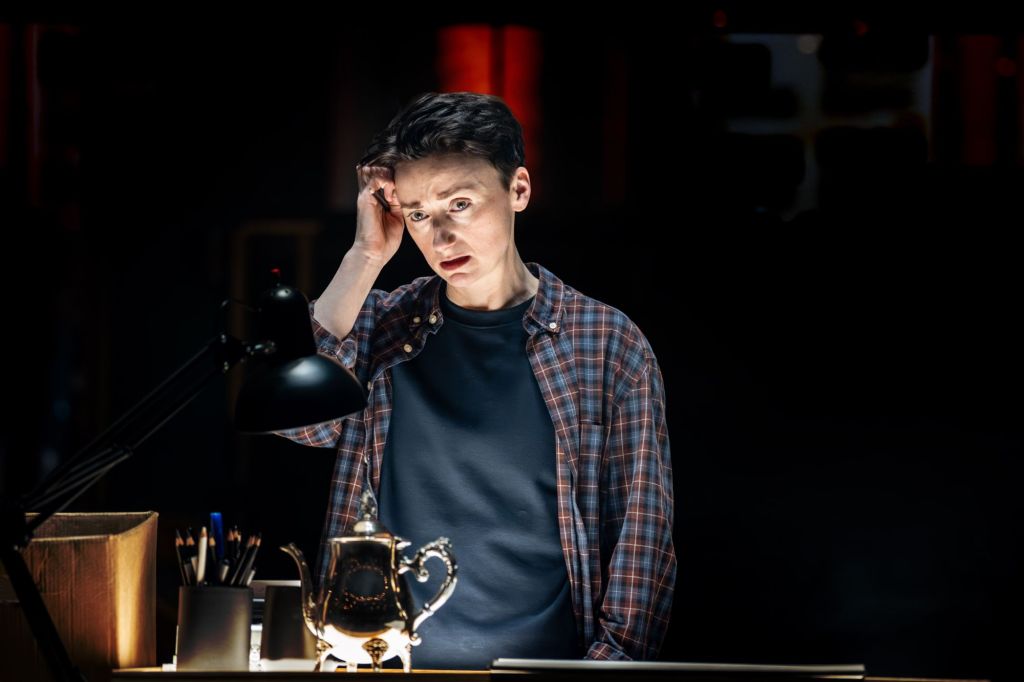
Based on Alison Bechdel’s celebrated graphic memoir, Fun Home traces the cartoonist’s journey through childhood, adolescence and adulthood as she attempts to understand both her own identity and the enigmatic father she lost too soon. Rather than following a straightforward chronology, memories collide, overlap and revisit each other, reflecting the way recollection really works. It is less a story and more an excavation of the childhood memories that flood in as we unpack the boxes of possessions that so often come to represent the lives of our loved ones after death. For any of us who have grappled with delving through the personal objects of family members there is the joy of reconnecting but also the shock at what new insights may be revealed. Here there is the added poignancy of watching Alison grapple with these memories as she stands on the cusp of being the same age as her father when he chose to end his life.

The Royal Exchange provides an ideal setting for such intimate archaeology. Its in-the-round staging places the audience almost inside Alison’s memories, close enough to catch every flicker of uncertainty and every carefully concealed hurt as the adult Alison sensitively portrayed by the wonderful  Jodie McNee looks back  at her past.

The performances are all very strong , with each of the three Alisons capturing different shades of the same searching soul. Their transitions between childhood curiosity, teenage awakening and adult reflection feel seamless, allowing the audience to witness a life gradually assembling itself from fragments. There is a rotating cast of 3 ensembles playing the children and Harriet O’Shea sets the bar very high as young Alison delivering a phenomenal performance. Her rendition of Ring of Keys is a gorgeous portrayal of a pivotal moment of self-recognition.

At its emotional centre stands Bruce Bechdel, a complex man grappling with his own sexuality and penchant for very young men. Nigel Harman portrays this troubled perfectionist as both vulnerable and loving yet emotionally unreachable. He is a man trapped by expectations that slowly become impossible to sustain as his secret life starts to bleed through into his immaculately constructed persona. His relationship with Alison unfolds not through grand revelations but through fleeting moments that, with hindsight, carry enormous weight. It is a heartbreaking reminder that understanding often arrives after the opportunity for conversation has disappeared.

Jeanine Tesori’s richly textured score avoids theatrical bombast, instead allowing emotion to emerge naturally from the characters’ inner lives. Lisa Kron’s book is witty, perceptive and quietly devastating, balancing moments of genuine humour with profound sadness. There is the painfully haunting Days and Days as a mother reflects on a fractured marriage, but also the joyous coffin scene with Come to the Fun Home where the kids make a commercial for their family funeral Home which has an infectious Car Wash feel. 

The production resists sentimentality, trusting its audience to sit with ambiguity rather than resolve it. McNee is a good conduit for that level of emotional delicacy as we watch her witness and absorb her memories, although there are points where its frustrating to see such a fine actress often on the sidelines. The light touch pays off and Frankcom clearly understands that grief is not always loud; often it whispers through remembered conversations, unfinished sentences and questions that linger for decades.

Fun Home ultimately becomes less about sexuality or family secrets than about the universal longing to be truly seen by the people we love. It acknowledges that parents are complicated, children can be unreliable historians of their own lives, and forgiveness is rarely complete.

This exquisite Royal Exchange production is compassionate without becoming sentimental, emotionally rich without manipulation, and its impact continues to resonate long after you leave the theatre. It doesn’t simply tell Alison Bechdel’s story. It gently invites us to reconsider our own and those of our parents and of our children.

★★★★☆

Jodie McNee as Alison in Fun Home at The Royal Exchange Theatre. Image credit: Johan Persson

The Royal Exchange Theatre 3rd July – 1st August 2026

THE SURGE: An Ode to Sinéad O’Connor

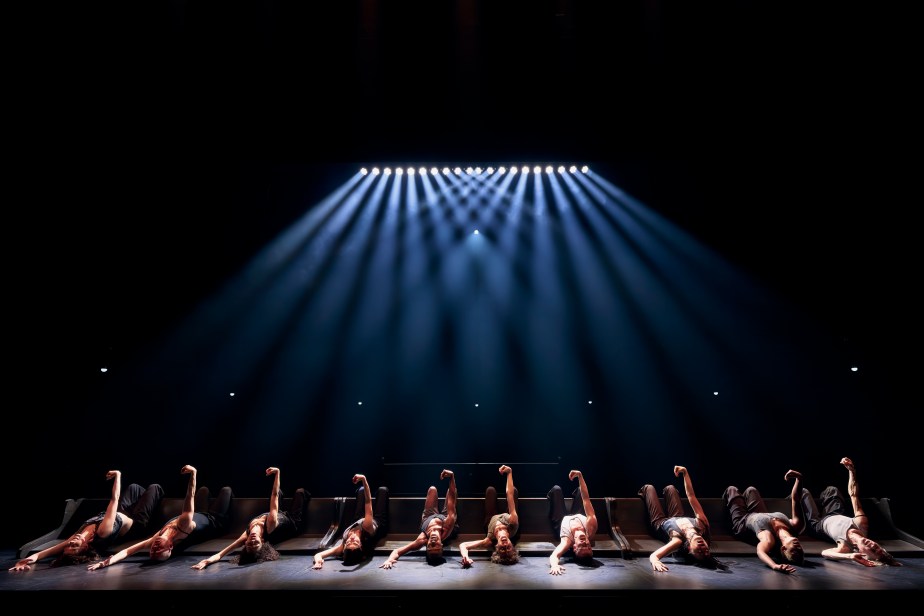
The cast of THE SURGE.
Image credit: Tom Visser

Music and Text by Sinead O’Connor

Direction and Choreography by Sonya Tayeh

The Hall, AVIVA STUDIOS

★★★★☆

Whatever it may bring, I will live by my own policies, I will sleep with a clear conscience, I will sleep in peace. If I hope for anything as an artist, it’s that I inspire certain people to be who they really are. My audiences seem to be people who have been given a hard time for being who they are.

Sinéad O’Connor, Rememberings 2021

Few artists have worn their wounds as defiantly as Sinéad O’Connor with a voice that could cradle grief one moment before erupting into righteous fury the next. THE SURGE, premiering in Manchester before moving to New York, creates a compelling tidal pull between the vulnerability and rebellion that defines the essence of both the artist and the woman.

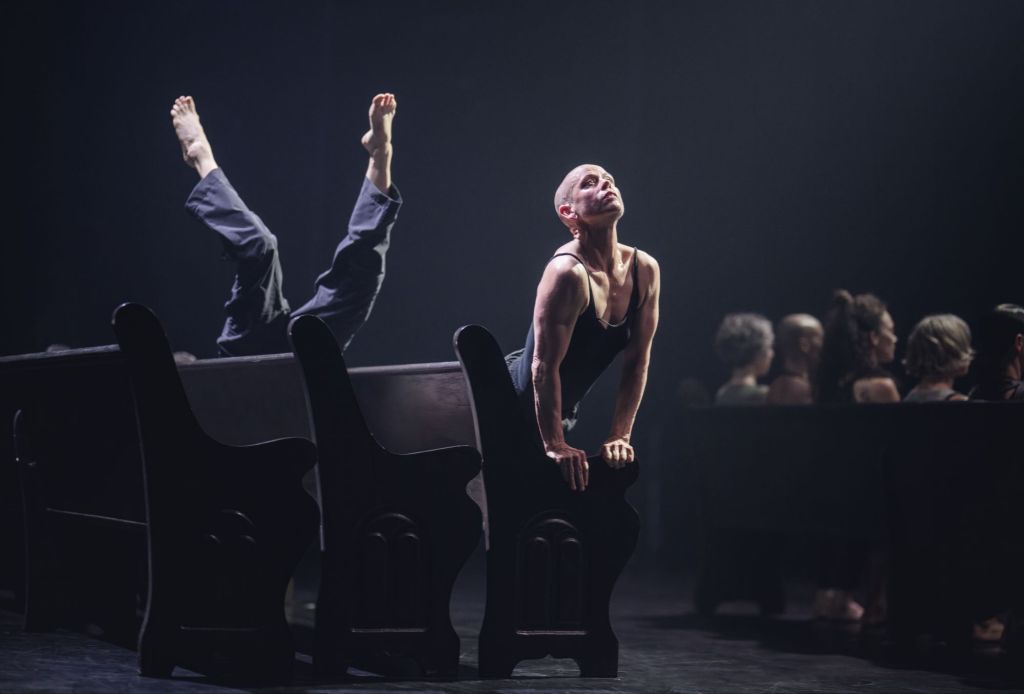
This is dance theatre fuelled less by narrative than by sensation. The movement surges in relentless waves, bodies gathering and scattering as though caught between communion and isolation. At times such as during Tiny Grief Song, bodies ripple and flow like drifting notes scattering across a sheet of music. Sonya Toyeh’s choreography oscillates between explosive physical release and moments of almost unbearable stillness, allowing silence to speak as eloquently as movement. At its best, the company captures the contradictions that made O’Connor such an unforgettable presence: tenderness wrapped in steel, fragility refusing to surrender with a celtic unwillingness to go gently into that good night.

O’Connor’s own narration from her 2021 memoir Rememberings and her glorious music sit at the heart of the evening and are thoughtfully woven into the choreography. Sound and movement converse, each amplifying the emotional resonance of the other. There are passages where the dancers appear almost possessed by rhythm, rather than simply responding to it, creating images that linger long after the lights fade. The lighting design by Tom Visser perfectly complements the choreography and lights the dancers as though they are caught in multiple tableaux from an Annie Leibovitz shoot.

Visually, the production possesses an austere beauty. The stage feels both expansive and intimate, with lighting carving shifting emotional landscapes from shadow and glare. Costumes by  Márion Talán de la Rosa avoid easy iconography, hinting at O’Connor’s unmistakable silhouette without reducing her to imitation. The result is an aesthetic that honours her spirit rather than attempting to recreate it.

Jennifer Nugent in THE SURGE
Image credit: Tom Visser.

The ten mature dancers bring their skill and passion, blended with years of technical and life experience to this labour of love and it shows in every nuanced and physically demanding movement. As a ninety minute dance piece, not every sequence lands with equal force. Some extended ensemble passages begin to circle familiar emotional territory, slightly diluting the production’s otherwise fierce momentum. Yet even these quieter moments feel purposeful, reflecting the repetitive cycles of pain, resilience and renewal that shaped O’Connor’s life. In Just Like U Said It Would B  they are like whirling dervishs set free in a chapel at midnight. Lisa Race is compelling in I Do Not Want What I Haven’t Got while Karine Plantadit seems to fragment during the haunting Tiny Grief Song. Bold, vibrant moments like Red Football and Mandinka have much of the audience yearning to join in.

What ultimately makes THE SURGE so affecting is its refusal to canonise its subject. There is no sanitised martyrdom here. Instead, the work embraces complexity, inviting us to remember a woman who challenged institutions, expectations and audiences alike, often at enormous personal cost. It asks us not simply to mourn Sinéad O’Connor but to consider why voices like hers remain so necessary.

By the closing moments, the stage seems charged with something approaching collective remembrance. The applause that follows feels less like appreciation for technical accomplishment than gratitude for an act of artistic courage. THE SURGE does not attempt to explain Sinéad O’Connor. It honours her by embodying the uncompromising emotional truth she carried throughout her life. Like the woman herself, it refuses to soften its edges, and is all the more powerful for it.

AVIVA STUDIOS 25th 27th June 2026

The Joyce Theater 16th- 27th September 2026

A Long Day’s Journey into Night

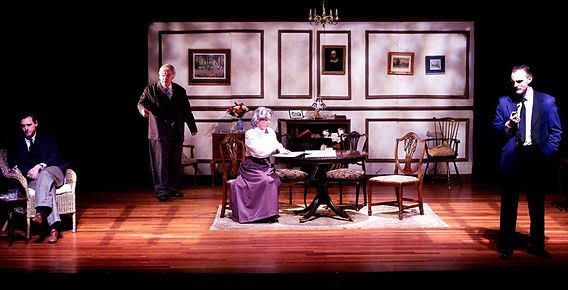
The cast of Long Day’s Journey Into Night. Image credit: Elysium Theatre Company

Written by Eugene O’Neill

Directed by Jake Murray

The Empty Space, Salford

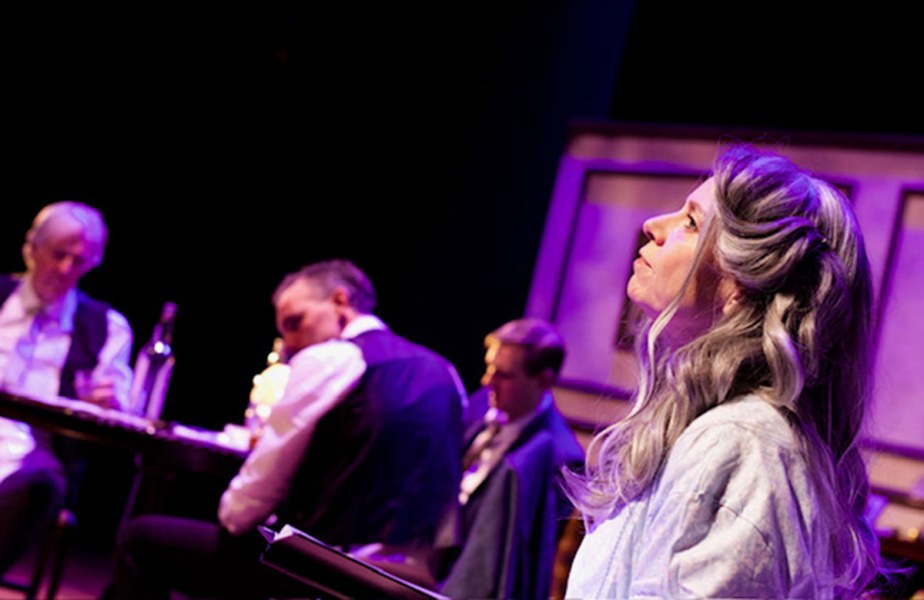
There are family dramas and then there is Long Day’s Journey Into Night, Eugene O’Neill’s monumental autopsy of love, addiction, regret and the peculiar violence families inflict while insisting they only want what’s best. In Elysium Theatre Company’s touring production, directed by Jake Murray this American classic is stripped back and painfully exposed like an angry, infected wound.


The setting may be a Connecticut summer house in 1912, but the emotional climate is timeless: stifling, storm-heavy and thick with the fog of things left unsaid for too long. Across one increasingly unbearable day, the Tyrone family circle each other like wounded animals, armed with whiskey, morphine, recriminations and a fragile nostalgia.
Murray’s production wisely trusts O’Neill’s text, so there are no gimmicks here, no attempts to modernise or shrink the play’s formidable emotional architecture. Instead, the direction leans into the work’s bruising humanity, allowing its rhythms of affection, accusation and self-deception to unfold with agonising inevitability.


The performances carry the evening’s considerable weight. Joyce Branagh has taken on this substantial and demanding role of Mary Tyrone at short notice, so performs script-in-hand. Despite this, she captures both the ethereal delicacy and terrifying evasiveness of a woman retreating ever deeper into morphine-fogged memory. She drifts through the household like a ghost rehearsing happier versions of herself, all soft smiles, fluttering hands and tremulous denial, while grief and petulant resentment leak through the cracks.
As patriarch James Tyrone, Edmund Dehn does balance bluster with buried shame of his impoverished past and its impact on his family. Beneath the penny-pinching pragmatism lies a man haunted by compromises and squandered artistic promise. The physicality of Dehn convinces but this is a performance that never seems to fully invest in his characters’ rich Shakespearean history to fully grab his role by the teeth and run with it.

It is Elysium stalwart Danny Solomon who dives headlong into his role as elder son, Jamie embracing the cynical and self-destructive character and weaponising dark humour against bitter despair. Daniel Bradford as Edmund has a  frail and searching quality. Based on O’Neill himself, Edmund becomes the aching conscience of the piece. Bradford does a good job handling all the monologues and flitting fluidly between Baudelaire, Shakespeare and Nietzsche. Macy Stasiak adds some much needed lightness and energy as Cathleen, the family maid.


What emerges most powerfully is the terrible elasticity of familial love. The Tyrones know exactly how to wound because they know exactly where the wounds already are.
The Empty Space proves an ideal venue for this chamber piece of emotional demolition. Its intimacy denies audiences any safe observational distance.


At nearly three hours, Long Day’s Journey Into Night demands stamina and an armchair but Murrays’ production understands that O’Neill’s play must feel uncomfortably long. The title is not decorative. This is a slow descent from morning optimism into nocturnal despair, where memory becomes both refuge and prison. The past, as O’Neill reminds us, does not stay politely behind us. That said, the production ran over and that is problematic in such a lengthy piece where theatrical goodwill may start to be as watered down as the family whiskey.


A  compassionate and earnest revival that honours the grandeur of O’Neill’s masterpiece without ever losing sight of its ordinary human heartbreak.

Tour Dates

Angel’s Bone

Mariam Wallentin as Girl Angel in Angel’s Bone at AVIVA Studios
Image credit: Tristram Kenton

Music by Du Yun

Libretto by Royce Vavrek

Directed by Kip Williams

★★★★☆

The Warehouse, AVIVA STUDIOS

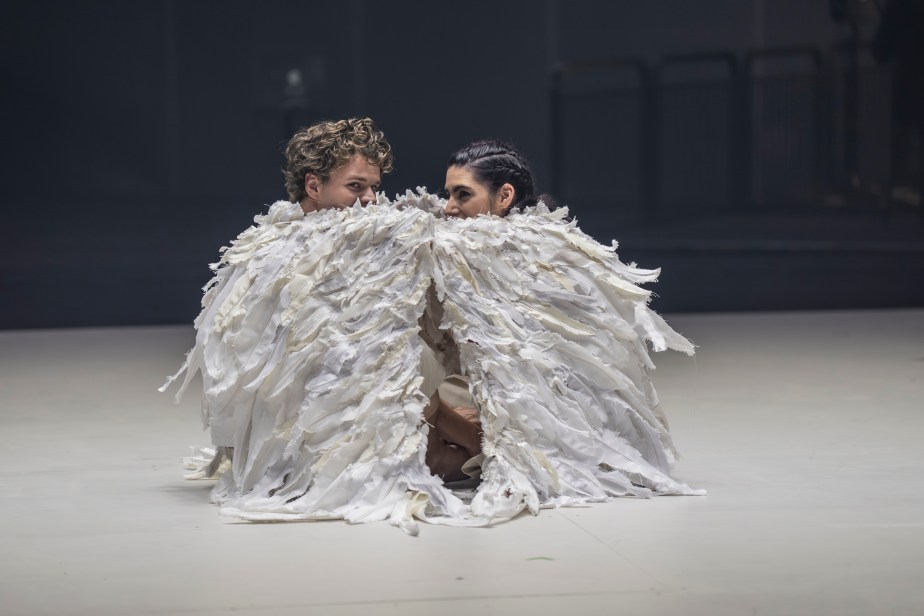
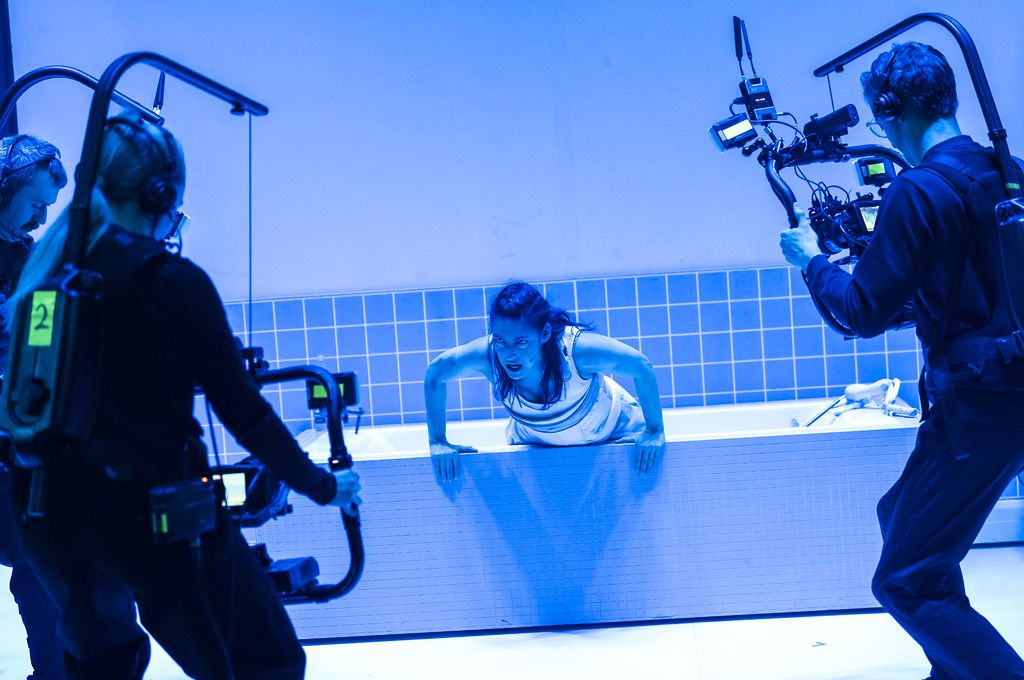
English National Opera start their new relationship in Manchester with the UK première staging of Du Yun and Royce Vavrek’s 2017 Pulitzer-winning Angel’s Bone in the cavernous warehouse at AVIVA Studios. In the hands of director Kip Williams, this “punk opera” lands like a fever dream somewhere between biblical parable and late-capitalist horror show. Visually stunning and startling, this is an extraordinary and disturbing watch. Even the very setting is an endurance feat of discomfort as the audience stand throughout the performance like silent witnesses or complicit voyeurs.

The story premise alone has the savage simplicity of a mythical allegory that explores modern slavery and human immortality. Two fallen angels crash into a grimy urban world and are discovered by Mr and Mrs X.E. who epitomise the greed and desperation of a couple whose marriage and finances are imploding, and who swiftly realise these celestial creatures can be monetised. Human trafficking becomes both literal and metaphorical here. Innocence is packaged, exploited and sold with the bland efficiency of an online subscription service. The opera never allows the audience the luxury of distance. Its indictment is aimed squarely at the systems we tolerate every day, systems built on consumption disguised as modern civilisation.

Musically, the score is a thrilling assault as Du Yun’s composition ricochets between industrial noise, jagged electronica, liturgical chant and bursts of bruised lyricism. Conductor, Baldeur Brönnimann leads the BBC Philarmonic Orchestra who navigate all the tonal ambushes with astonishing precision, conjuring a soundscape that seems to vibrate through the ribcage rather than merely reach the ear. There is genuine thrill when the Girl Angel Mariam Wallentin erupts into song looking and sounding like Bjork might if her swan Oscar dress had also been hideously defiled. The glorious chorus of Kantos Chamber Choir add to the mix and also serve as the riotous guests who brutalise the angels.

The production’s visual language is equally ferocious. AVIVA Studios proves the perfect setting… cavernous, metallic and emotionally cold, like a warehouse erected on the ruins of empathy itself. The staging weaponises space brilliantly. Scenes emerge from shadow like corrupted memories, while harsh lighting strips the performers bare with interrogation-room cruelty. An inspired revolving set design by Marg Horwell does not always make for clear sightlines but vividly evokes a sleek modern home where nightmare scenarios of gothic horror can unfold.

Allison Cook as Mrs X.E. in Angel’s Bone at AVIVA Studios. Image credit: Tristram Kenton.

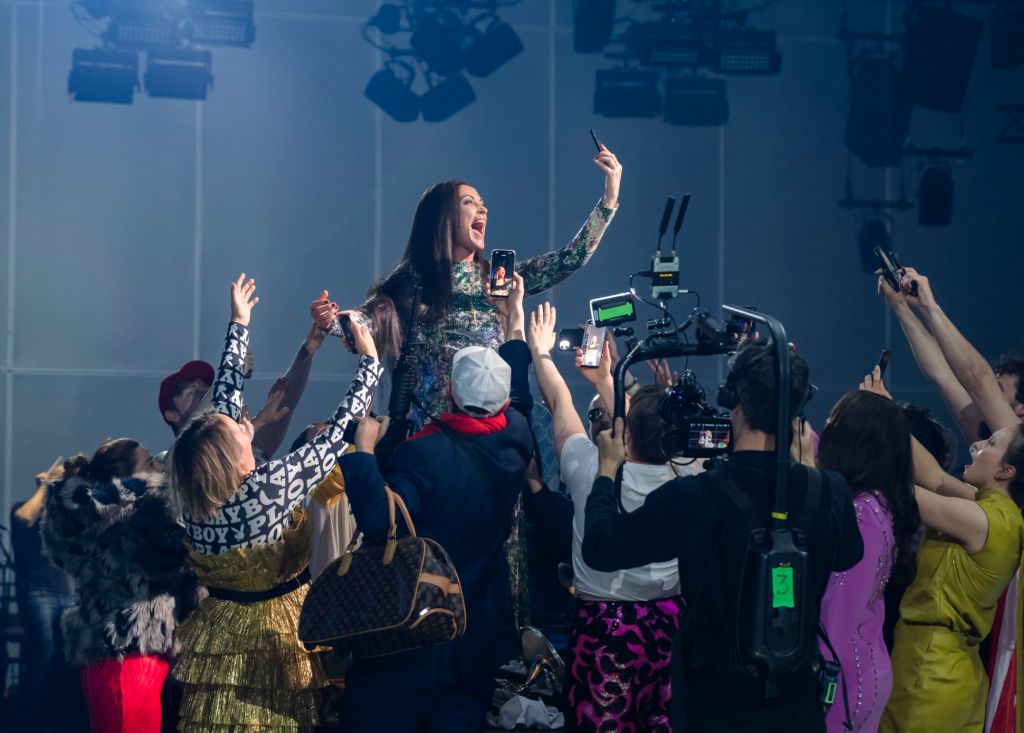
Central performances anchor the chaos with bruised humanity. The angels themselves possess an eerie physical fragility, moving as though gravity is something newly inflicted upon them. Their suffering becomes painfully corporeal as they are repeatedly tortured and prostituted.  Meanwhile the pair playing Mr and Mrs X.E. chill and with their banal and grotesque greed. Allison Cook stalks the set like a vicious predator wearing her immorality like a blood red dress. These are arresting performances by any standards but the use of 3 live camera operators on stage whose up close, forensic filming is continuously projected on to giant screens is electrifying. Every sweating pore of lust and every gory wound is inescapable.

Angels’ Bone is not trying to soothe or explain. It wants to stain the conscience. By the final moments, the audience stand silently crowding the circular stage, echoing the choral crowd surrounding the grotesque spectacle of the heavily pregnant Mrs X.E. now at the centre of a greedy media circus desperate for the next big story…life echoing art. Rarely has an opera felt so furious, so contemporary, or so unwilling to let anyone off the hook.

AVIVA STUDIOS 12th – 16th May 2026

English Opera North

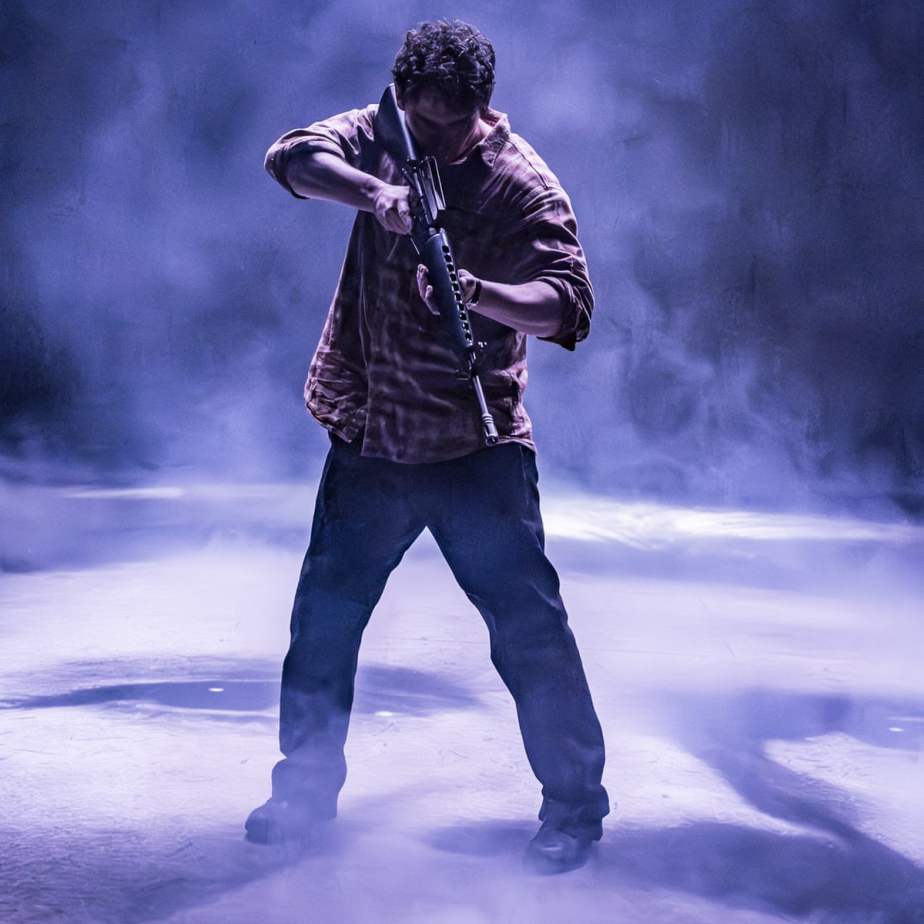
The Assassination of Margaret Thatcher

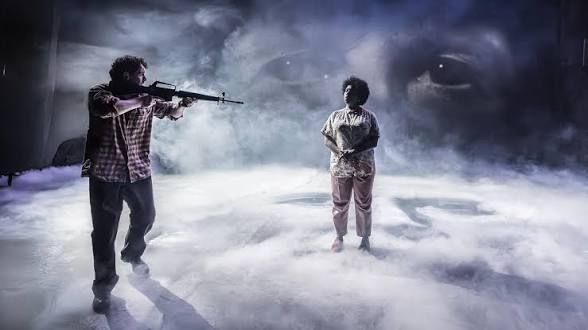
Robbie O’Neill and Anita Reynolds in The Assassination of Margaret Thatcher at Liverpool Everyman
Image credit: Marc Brenner

Writer Hilary Mantel

Playwright Alexandra Wood

LIVERPOOL EVERYMAN

★★★★☆


Politics and theatre have always made for  dangerous and unpredictable bedfellows. One deals in illusion, the other in manifesto, and both depend entirely on getting the timing just right. At Liverpool Everyman Theatre, The Assassination of Margaret Thatcher arrives carrying enough ideological Semtex to flatten a tabloid newsroom. However, what ultimately gives this adaptation of Hilary Mantel’s notorious 2014 short story its bite is not the provocation of the title but the unnerving humanity beneath it.


The first act unfolds with a dark comedic interplay that feels like watching a sitcom being recorded. Cups of tea are made, curtains twitch, conversations swirl dangerously around uncomfortable subject matter like guests avoiding a murky stain on the carpet. Yet beneath the domestic mundanity sits a slow volcanic rumble of class resentment and exhausted rage. There is a deliciously sureal feel to this scenario where a middle class divorcee expecting a plumber to fix her boiler and instead gets a gunman hellbent on killing the Prime Minister. Under the care of Alexandra Wood, Mantel’s dialogue remains a marvel of weaponised civility.

The production’s two central performances are powerful performances that anchor the evening . Anita Reynolds plays Caroline with a brittle restraint that suggests a woman permanently holding herself together like jewellery beads on a fraying thread. Every clipped sentence feels like a choked dry scream. Opposite her is the would-be assassin Robbie O’Neill who carries himself with an intriguing blend of swagger and sadness: part pub philosopher, part fallen romantic hero. Their scenes together fizz with a strange chemistry as they weigh each other up and find some surprising commonalities.

Robbie O’Neill and Anita Reynolds as Brendan and Caroline in The Assassination of Margaret Thatcher at Liverpool Everyman.
Image credit Marc Brenner

What elevates the production beyond an accomplished literary adaptation is the extraordinary tonal shift of the second act. Until then, the Everyman stage feels cramped with suburban realism, all muted anxieties and stale air evoked by the bland domesticity of Ceci Calf’s set. Suddenly the production rips itself open theatrically. Walls vanish, lighting fractures, sound pulses through the auditorium like a national panic attack and bodies start to drop fromthe ceiling. The staging broadens into something almost expressionistic, as though Britain itself has blown apart with uncertain possibilities. It is thrillingly done with the sort of audacious visual pivot that makes audiences physically sit forward.


The transition also sharpens the play’s central question. Thatcher rarely appears directly, yet her presence dominates the room like cigarette smoke clinging to wallpaper decades later. The production wisely avoids easy sanctimony or cartoon villainy. Instead it examines how political ideology colonises ordinary lives, shaping marriages, loneliness, ambition and despair long after the speeches end. This is a play that will resonate regardless of political views. It is premiering in Liverpool, a city who had good cause to loathe Thatcher, it is playing out as other divisive world leaders are subject to assassination attempts and I’m sitting watching this play remembering my own upbringing where fleetingly my local M.P. was the very Bobby Sands that Brendan seeks to avenge.


There are moments where the script threatens to disappear too deeply into its own intellectual labyrinth. A handful of speeches feel more exposition than drama. Yet the cast navigate these passages with enough emotional precision to keep the tension taut.
What lingers afterwards is the queasy recognition that Britain still speaks in Thatcher’s vocabulary even while arguing about her legacy. This production understands that political ghosts do not rattle chains. They sit quietly in kitchens, in boarded-up high streets, in the silence between neighbours. The Everyman has created something both witty and deeply unsettling: a state-of-the-nation drama with frostbite in its veins.

Liverpool Everyman 2nd May – 23rd May 2026

I, Daniel Blake

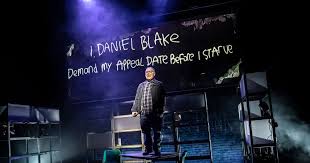
David Nellist as Dan in I, Daniel Blake
Image credit: Pamela Raith

Adapted by Dave Johns from the film directed by Ken Loach, written by Paul Laverty, and produced by Rebecca O’Brien for Sixteen Films.

Directed by  Mark Calvert

Written and Adapted by Dave Johns

HOME THEATRE

⭐️⭐️⭐️⭐️


This production of I, Daniel Blake is not a period piece thoughtfully adapted from the Ken Loach film. Director Dave Johns ensures that it remains an open, angry wound that has never properly healed and continues to fester. Ken Loach’s landmark film, adapted for the stage, remains a devastating portrait of bureaucratic cruelty, yet this production understands that indignation alone is not enough. It must also find the humanity flickering beneath the paperwork, the humour surviving in the queue, the tenderness that institutions so often ignore.
The story follows Daniel Blake, a joiner recovering from a heart attack who is declared unfit for work by his doctor but not by the job centre, and Katie, a young mother relocated far from home and struggling to keep her family afloat. Their uneasy friendship, born of shared hardship, becomes the emotional spine of the evening. What could feel schematic instead breathes with the lived truth of genuine poverty in Broken Britain.


This production resists any grandstanding or preaching. It does not need to. Its power lies in the detail… the humiliating jargon of assessments, the tinny hold music of endless on phone call queues, the exhausted body language of people forever asked to prove their own desperation and the bleak mono. The direction keeps sentimentality on a tight leash, allowing anger to emerge naturally rather than by theatrical decree.

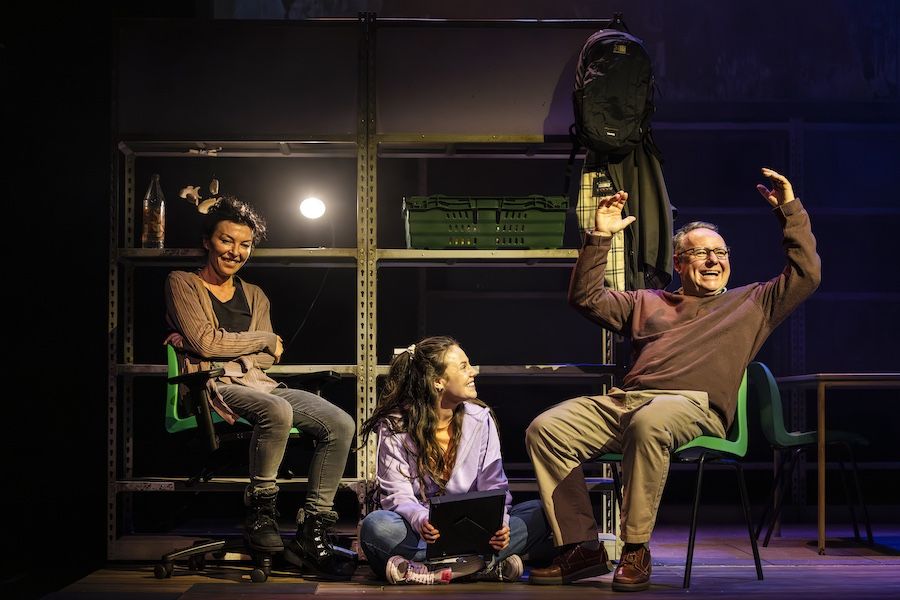
Jessica Johnson, Jodie Wild and David Nellist in I,Daniel Blake
Image credit: Pamela Raith

The ensemble work is particularly strong, creating a city of strangers who are by turns indifferent, overwhelmed, compassionate and complicit. Kema Sikazwe brings warmth,humour and hope as the young entrepreneur and Jodie Wild is the sweet but never naive beacon of hope for Dan and Katie. Micky Cochrane is electrifying as the angry man applauding Dan’s eventual retaliative outburst. No one is rendered a cartoon villain. Even the agents of the system seem trapped inside machinery too large and too cold to stop. That nuance matters. It reminds us that injustice often wears an ID badge and follows procedure.

At the centre, Daniel is played beautifully by David Nellist with a quiet dignity rather a than a saintly glow. His frustration grows by inches, not explosions, making his eventual acts of defiance all the more moving. Katie, meanwhile, avoids becoming a symbol of noble suffering. Instead Jessica Johnson is funny, proud, sharp, and at times frighteningly close to collapse but always utterly believable in the role. Their scenes together carry the warmth of two people building a tenuous shelter from weather they did not create and certainly cannot control.

Visually, the production is spare but eloquent. Functional sets slide and reshape like official forms endlessly refiled. Public spaces feel exposed; private pain has nowhere to hide. When moments of darkness arrive, they land like stones in water, such as the infamous food bank scene in which the wretched tears fall in darkness and are rendered all the more powerful.

Years after its first appearance, I, Daniel Blake remains a necessary howl against systems that confuse efficiency with morality. This compassionate, clear-eyed production does not simply ask for sympathy. It asks for memory, responsibility, and change. In an age still fluent in cruelty, that feels urgently current.

If there is a limitation, it is that the film’s intimate realism can sometimes sit awkwardly on stage, with certain transitions moving around the stage feeling more dutiful than fluid. Yet the emotional truth survives intact, and often hits harder in a room where collective witnessing becomes part of the drama. The use of the background screen is a powerful tool, used thoughtfully to show the messages and platitudes are still the same regardless of which political party chooses to tweet or advertise their latest slogan on the side of a bus.

Years after its first appearance, I, Daniel Blake remains a necessary howl against systems that confuse efficiency with morality. This compassionate, clear-eyed production does not simply ask for sympathy. It asks for memory, responsibility, and change. In an age still fluent in cruelty, that feels urgently current.

HOME MCR 21st – 25th April 2026

Tour Dates